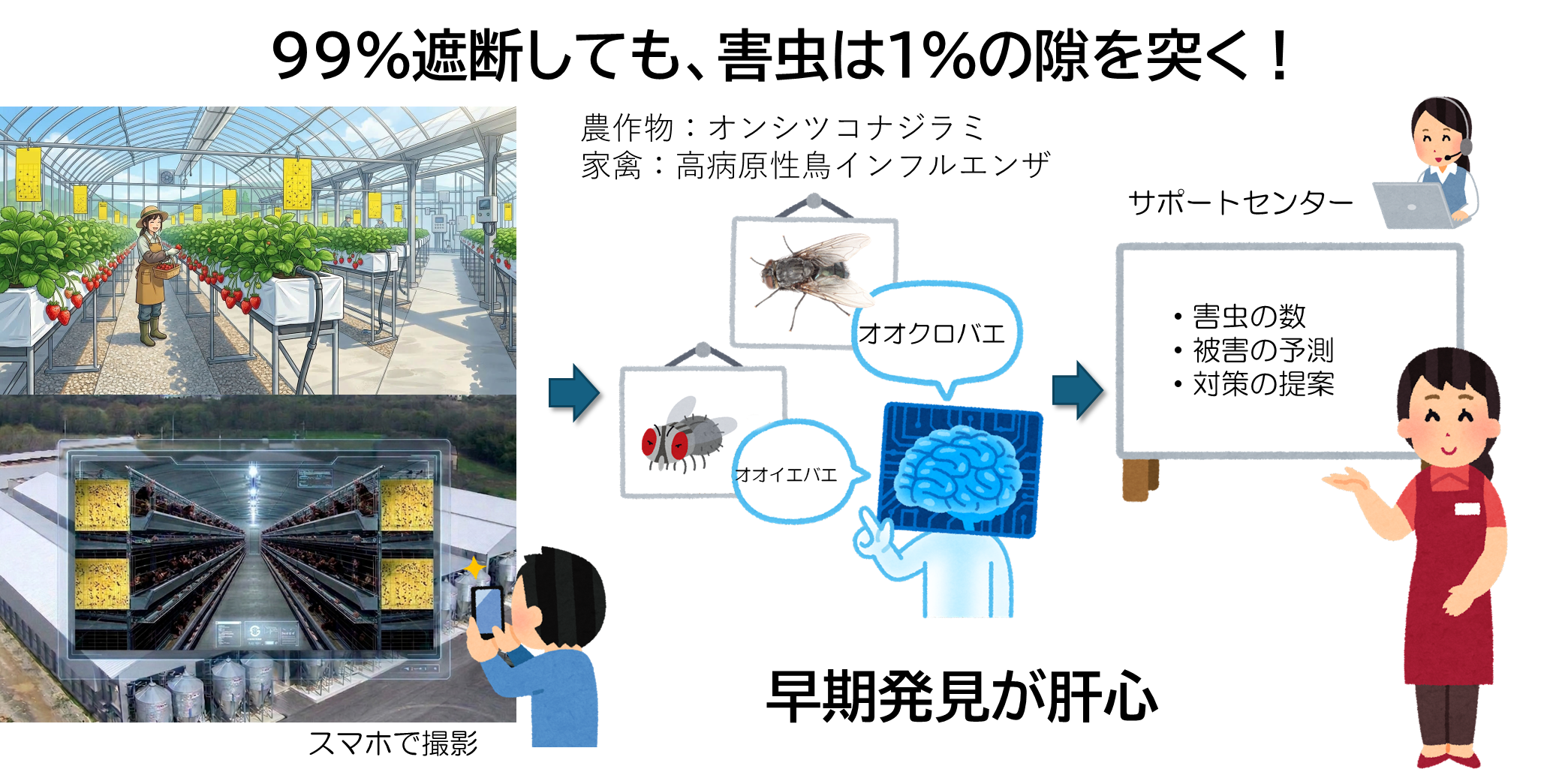
Agricultural Pest DX
Automatic pest detection and outbreak forecasting with image-recognition AI, for prompt, appropriate control and better livestock hygiene.


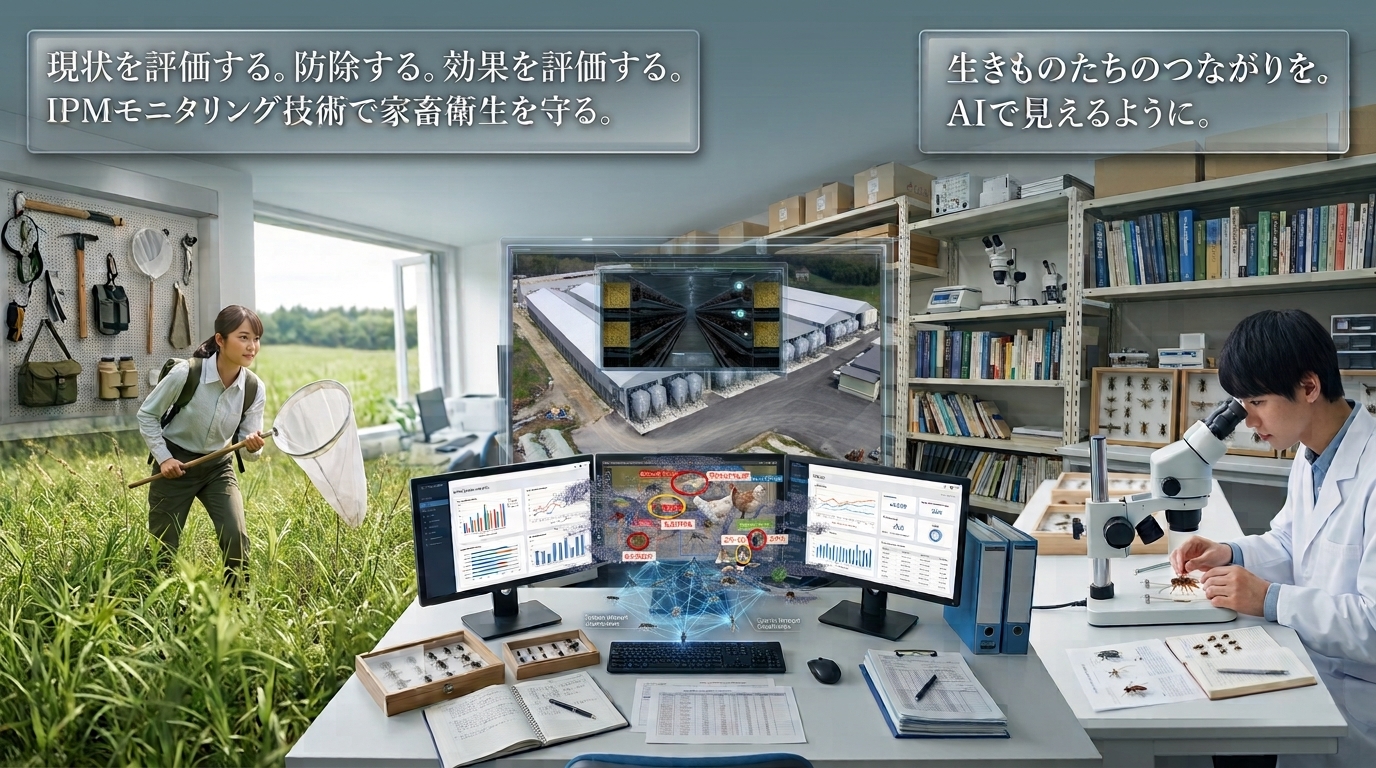
Understand insects. Protect insects. Building the future of agriculture and biodiversity with digital technology.
At the Laboratory of Insect DX, we use digital technology to help solve social issues involving insects and to advance insect science. Our research rests on two pillars: “Agricultural Pest DX” and “Biodiversity DX.”
In Agricultural Pest DX, our motto is “Even if you block 99%, pests will exploit the remaining 1%!” We target flies that mechanically transmit pathogens, such as highly pathogenic avian influenza virus in poultry and pathogens involved in cattle infectious diseases, and work to automate forecasting and monitoring of their outbreaks through deep-learning-based image recognition. Using high-accuracy object detection models, mainly YOLO, we aim to evaluate pest occurrence and control effects quickly and with little labor, and to advance integrated pest management (IPM).
In Biodiversity DX, we use DNA metabarcoding, camera traps and image-recognition AI to make biodiversity monitoring more efficient, targeting flower-visiting insects, sap-feeding insects, fireflies and more. We are also developing methods to scientifically evaluate the state and changes of biodiversity by visualizing interaction networks based on co-occurrence and predator–prey relationships, and by estimating potential distribution ranges with species distribution models (SDM).
In addition, we use Kyushu University’s collection of roughly three million insect specimens as a digital resource, working on 3D modeling of specimen images, automated species identification, and prediction of distribution shifts under climate change. Through the fusion of insect science and information science, we contribute to adding value to insect resources and to a sustainable agriculture and society.
Automatic pest detection and outbreak forecasting with image-recognition AI, for prompt, appropriate control and better livestock hygiene.
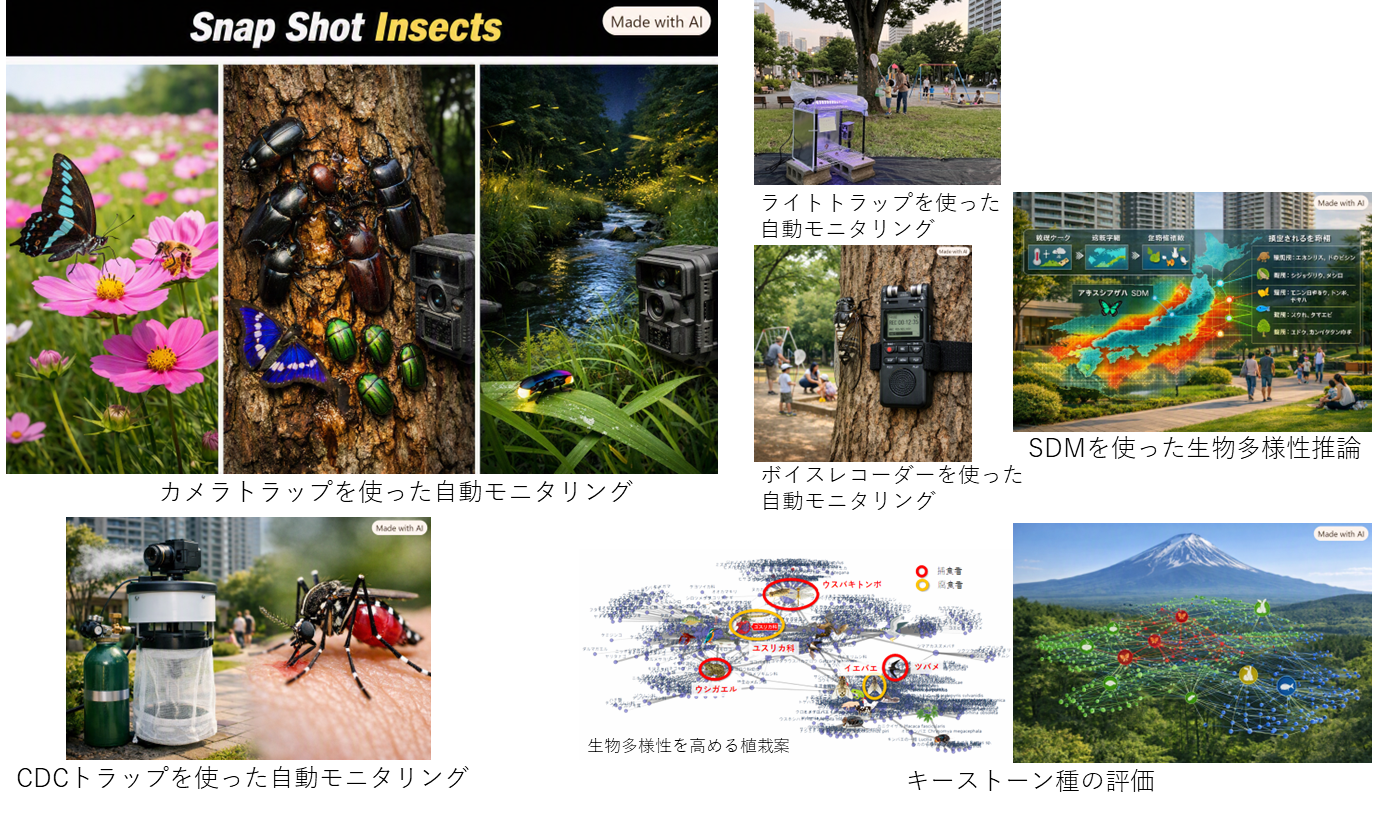
Making biodiversity visible by combining automated monitoring, DNA information, network analysis and distribution prediction.
Combining sensing, AI and data analysis, we connect everything from insect detection to the understanding of interactions among organisms.
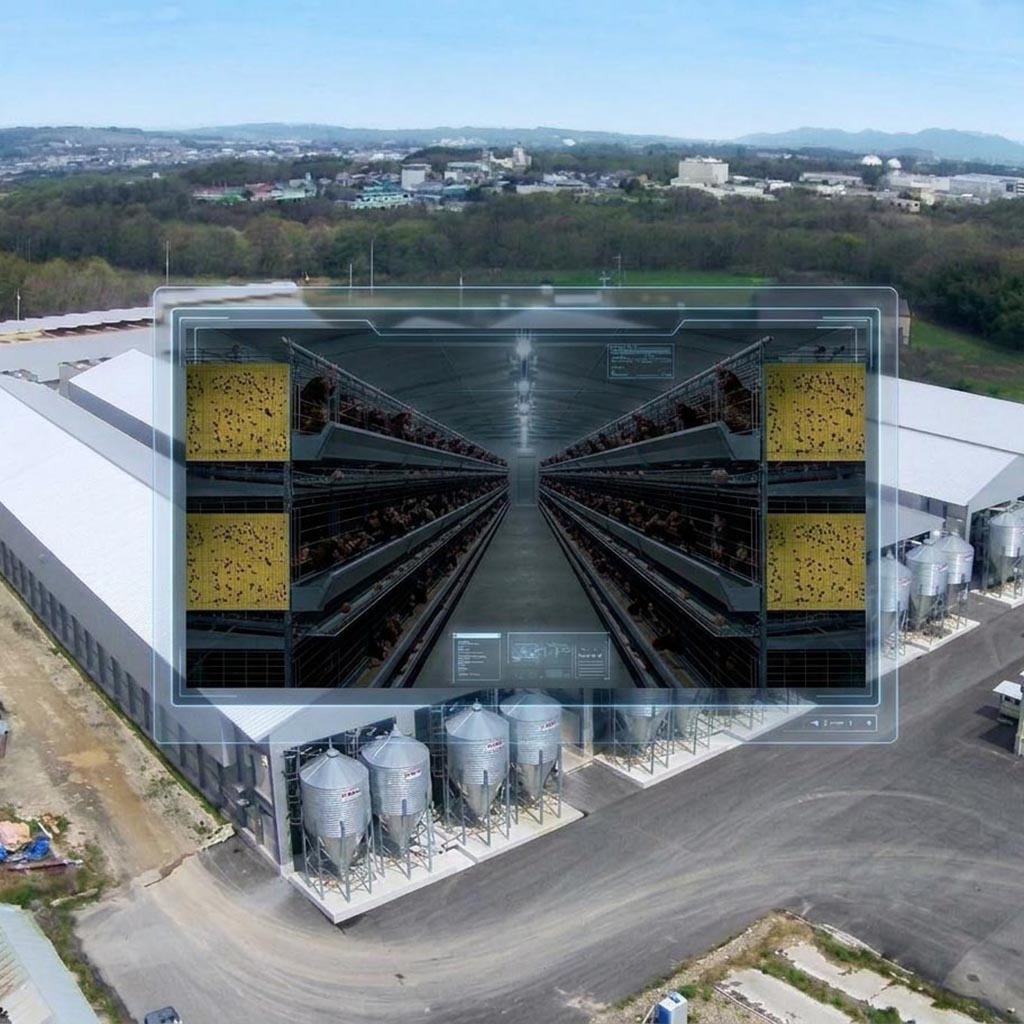
Analyzing sticky-trap images with AI to quickly grasp the occurrence of vector insects.
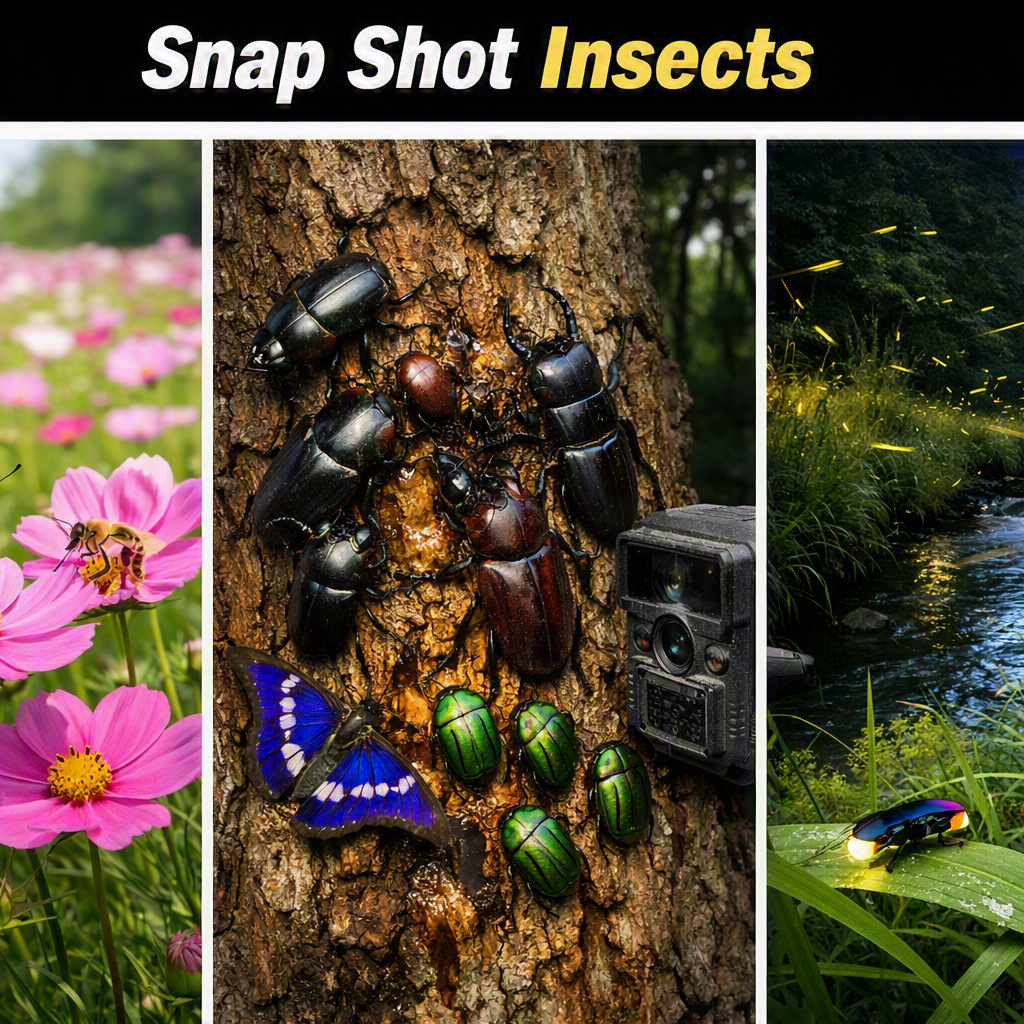
Recording flower visits and activity of insects to save labor in field surveys and standardize data.
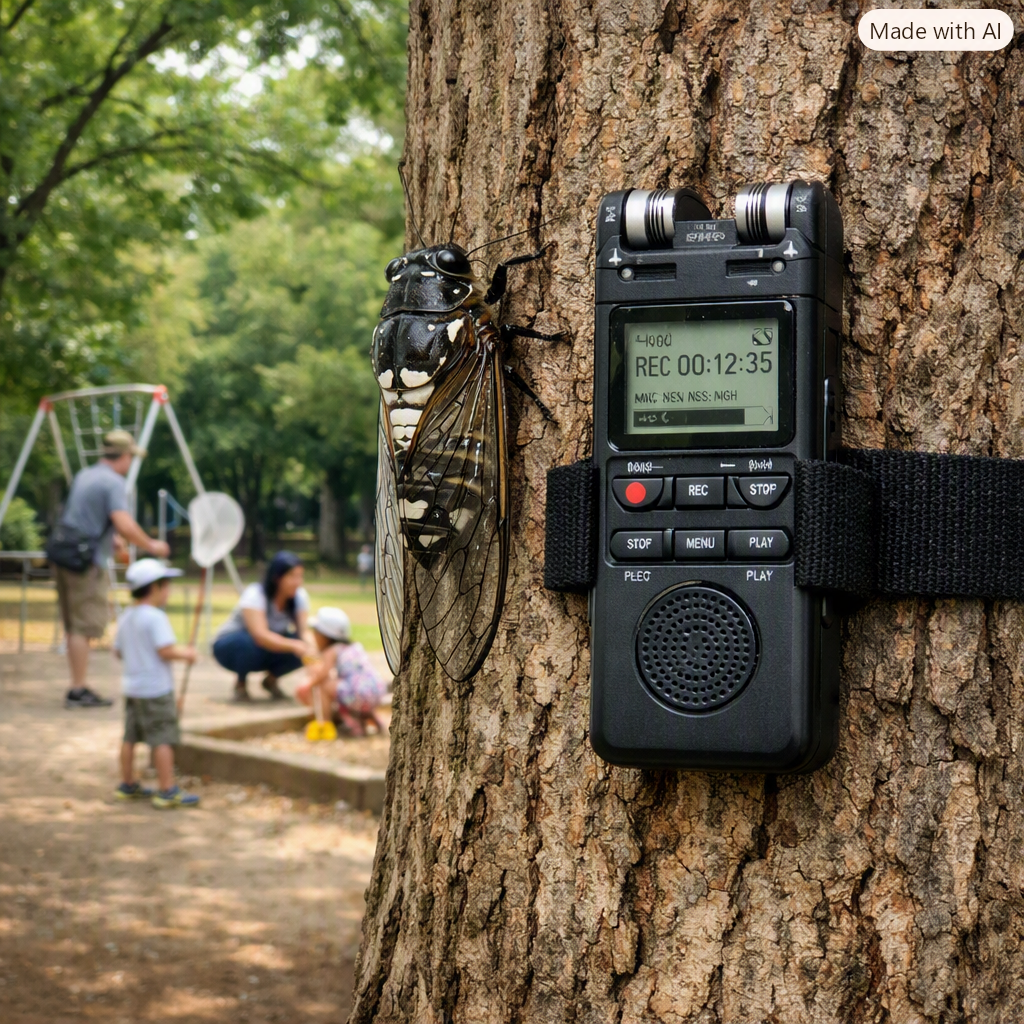
Recording and analyzing cicada calls to capture organismal activity and seasonal change.
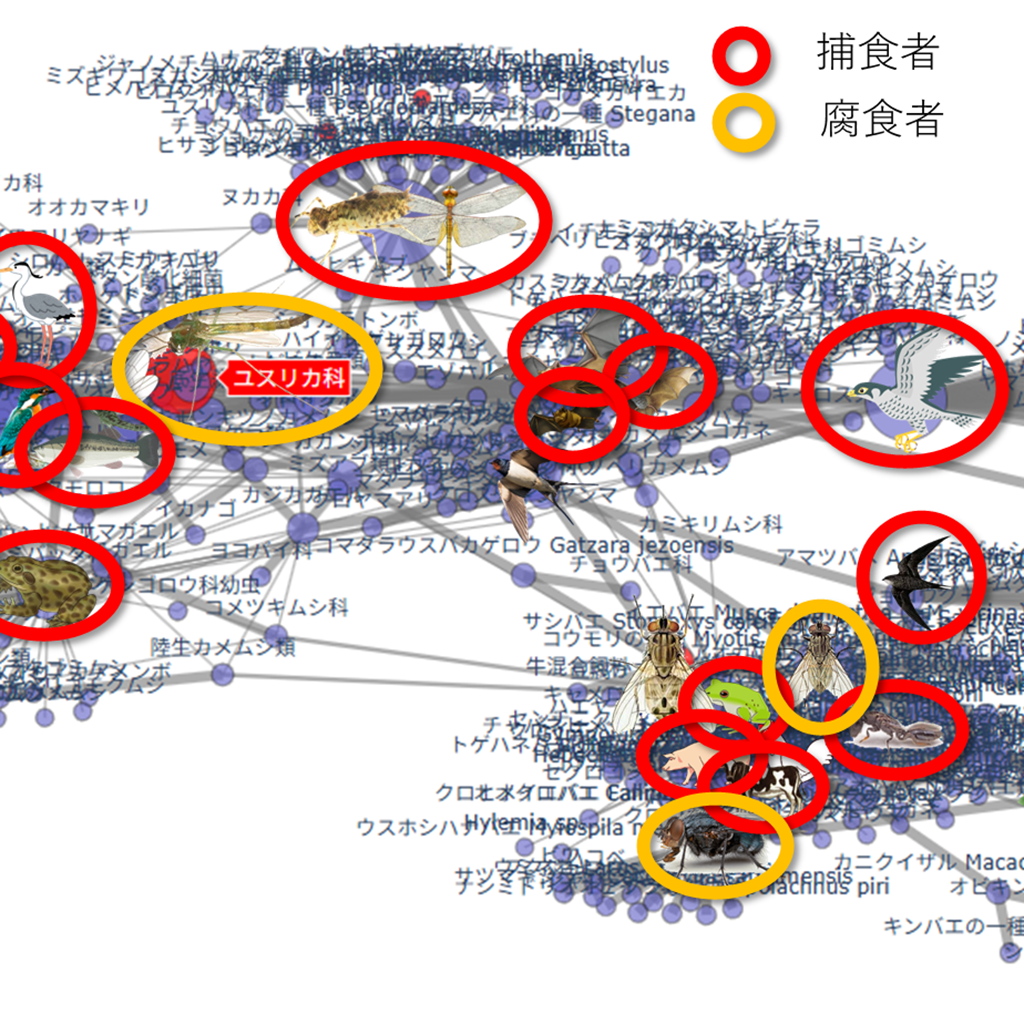
Visualizing co-occurrence and predator–prey relationships to reveal the connections within ecosystems.
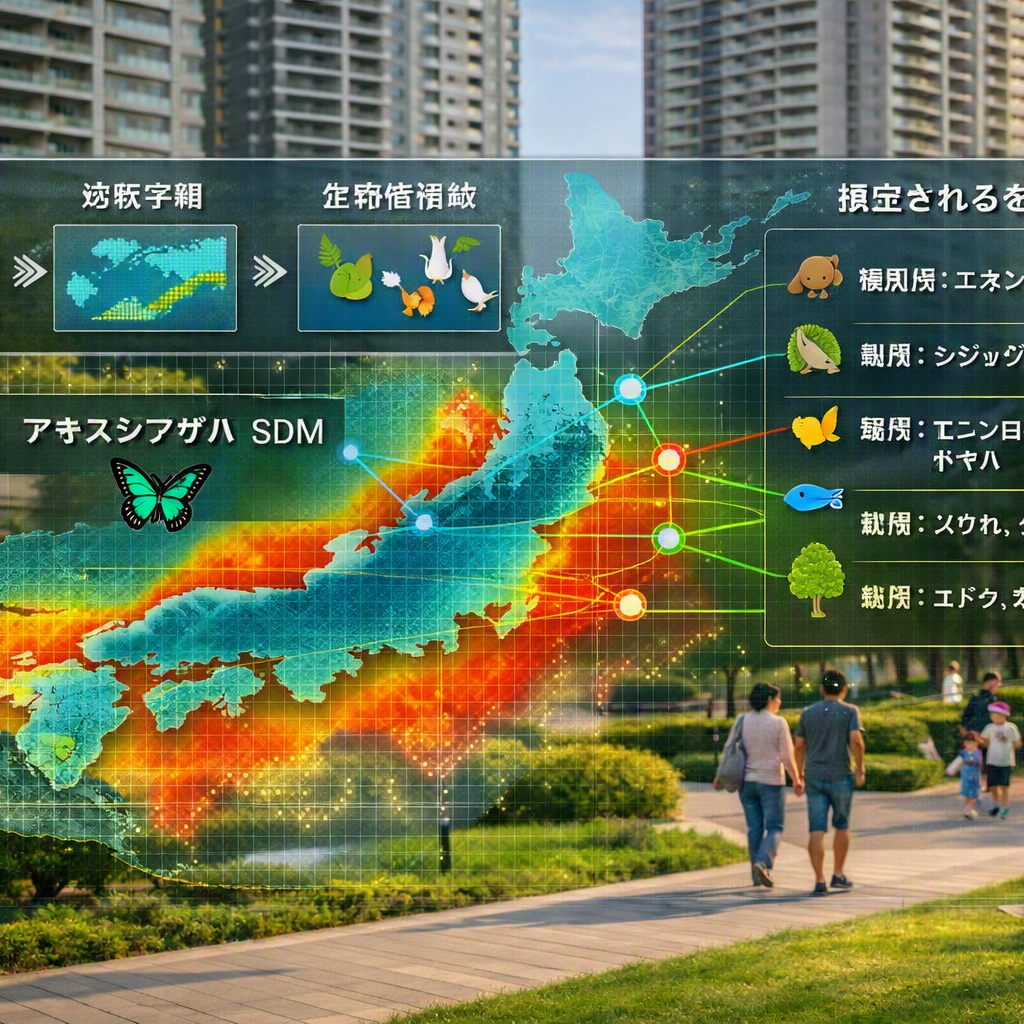
Estimating potential distribution ranges and future changes from specimens, observation records and environmental data.
Announcements, research results and events from the laboratory.
We welcome inquiries about graduate study and collaborative research.
“Development of an automatic counting model for rice planthoppers on yellow sticky traps using image recognition”
“Visualization of interaction networks among organisms using river environment data”
“Estimating potential distribution ranges of insects and predicting distribution changes under climate change”
“Improving the accuracy of an automated monitoring system for the livestock pest stable fly using image recognition”
“Factors limiting reproductive efficiency and larval growth in mass rearing of rhinoceros beetles”
“Elucidating the thermoregulation mechanism of the Hercules beetle”
“Monitoring of the livestock pest stable fly using machine learning”
“Basic study on production technology of rhinoceros beetles as an alternative protein resource”
“Basic study on large-scale rearing of crickets as food and feed”
“Ecological and behavioral study of foraging in the dor beetle Phelotrupes auratus”
“Effects of first-instar diet quality on subsequent body size in the coconut rhinoceros beetle (Oryctes rhinoceros)”
Five items are shown per category. Scroll within each box to see the others.
You can enter or advance to our laboratory as a graduate student of the Graduate School of Bioresource and Bioenvironmental Sciences. We have so far accepted graduates of other universities in Japan. If you wish to enroll, please be sure to contact us or visit the laboratory before taking the entrance examination.
Undergraduate students in the Agriculture field of the Bioresource Production Science course, Faculty of Agriculture, can also conduct their graduation research in our laboratory, subject to conditions. Laboratory selection takes place around May of the third year. If you have even a slight interest, please feel free to drop by.
You are welcome to visit without prior notice, but we are often out or unable to respond right away, so if you live far away we recommend contacting us first by e-mail or telephone (Access / Contact).
Please see “Admissions Information, Graduate School of Bioresource and Bioenvironmental Sciences, Kyushu University” (in Japanese).
Past examination questions are also published on the same page.
When you visit the laboratory, we will be happy to show you these reference books.
A record of newspaper and magazine coverage and of appearances and information provided for TV and radio programs. Five items are shown at a time; scroll within the box to see earlier records.
Laboratory of Insect DX, Agricultural Biology Course, Graduate School of Bioresource and Bioenvironmental Sciences, Kyushu University
Room 647, West Wing, 6th Floor, West Building 5, 744 Motooka, Nishi-ku, Fukuoka, Fukuoka 819-0395, Japan
Professor Satoshi Kamitani: kamitani@agr.kyushu-u.ac.jp / +81-92-802-4744
Access to the Faculty of Agriculture / Graduate School (West Building 5) (in Japanese)
Photos of field surveys, experiments and laboratory activities. Click a photo to enlarge it.
Photo for the graduation album
Master’s course mid-term presentations
Last day of the Vietnam survey
Travel day of the Vietnam survey
Vietnam survey
Welcome party for new students
Survey of the dragonfly Libellula angelina
* Scroll up and down within the box to see more photos.